Voices & Interpersonal Skills In Pediatric Care
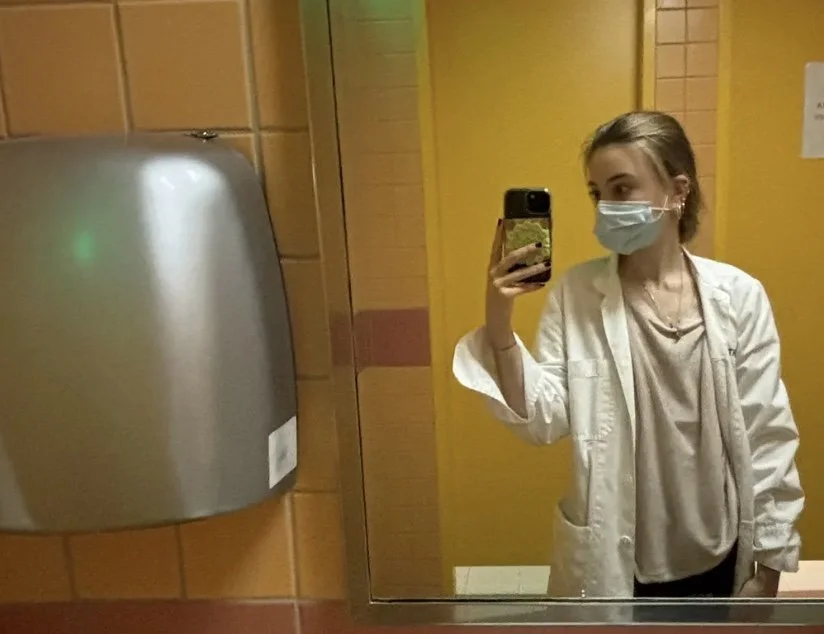
This year, I was fortunate enough to spent my half term break shadowing the team of pediatricians in the pediatric ward of a Greek hospital. During this experience I observed firsthand how pediatric doctors adjust their communication methods based on who they are talking to. Each group, parents, children, other doctors, (even myself) had individual needs and it resonated with me how the doctors seemed to switch seamlessly when communicating the same information in different ways for each demographic, in the way each would understand. This is a powerful skill successful doctors have, pediatricians specifically, allowing them to build trust, convey important information, and therefore foster the best possible care in a hospital, especially the pediatric ward.
Talking to the patients (the children themselves) required an entirely unique form of interaction. Children under care in the hospital are in an unfamiliar setting for them and I noticed that all pediatricians displayed the impressive ability to make the clinical environment welcoming and safe entirely through their words, and caring touches and mannerisms, which spoke to the patients on a deeper level. The hospital itself was an incredibly welcoming and beautifully colorful environment, but for children who do not necessarily pay such attention to details like the furniture around them, the manner and touch of the doctors was truly healing. Healing and hugging through words is truly underrated!
Here are the four things I noticed about the doctor-patient communication:
1. Simple language. The doctor always used age-appropriate words, and language in general. At the beginning of consulting each patient, they always asked first “Which grade are you in”, or “Who’s your best friend in school”. For one little two year old girl, the pediatrician even took the temperature of her two stuffed toy unicorns on the bed before taking the little girls own temperature. Of course, it is safe to say that instead of asking “Do you have abdominal pain?”, doctors would ask “Does your tummy hurt?”, simply allowing the patients to respond honestly and openly.
2. Warm and friendly tone. The pediatrician I shadowed was so soft spoken yet firm, stoic and confident in their knowledge and treatment methods. This calm confidence reduced the fears the patients felt, making the visits feel much less intimidating.
3. Nonverbal reassurance cues. This included kneeling down to the patient’s level, smiling a lot, speaking in a softer voice, patting the patients on the back and more. These simple gestures helped in establishing connections and more importantly reassuring the children.
4. Offering the concept of choice, no matter how small. We had a girl today with a non-viscous liquid around her lungs that was causing her wet cough, and the doctors were considering removing it using a small needle. Since the liquid was not directly harming the girl’s health or ability to breathe, the procedure was held off on doing, if she was not feeling discomfort. In vulnerable situations like health issues this concept of choice makes everything seem more manageable, due to the sense of control, and made the families feel safer.
The doctor-parent communication on the other hand, was all about reassurance and transfer of information. The communication here was largely focused on providing the information about the child’s condition, and further reassurance. Generally, it is natural for parents to be anxious about their child’s health, and the doctor I shadowed always asked both the parents and the children if they have any questions at the end of the visit, and aimed to thoroughly address any concerns the parents had no matter how unrelated! The doctors I was able to shadow, strongly recognized that parents do not have the medical education they themselves have, and often used real life explanations to break down the medical conditions the patients were facing, a minor detail that is fundamental (and not always done by doctors) to the wellbeing of the parents. Ultimately, studies and extensive research have proved that calmer mental wellbeing in the parents of sick children can directly aid in the recovery of the child. Thus, it became clear just how much skill goes into making complex medical information both accessible and reassuring. The simplification of medical jargon was not patronizing, rather carefully balanced with honesty and gentle reassurance. Overall, being able to see this in action highlighted to me the importance of empathy in a doctor, while also being empowering parents to make confident decisions about their child’s health. This skill of changing communication styles goes far beyond the walls of the hospital and is ultimately what begins the foundation of supportive and successful care.
The doctor-doctor communication was also interesting. During my week, I also noticed the more nuanced interactional forms of doctors with each other, and this was the most eye-opening experience as it allowed me to compare the layers of communication within a medical team. The discussion of patient cases was thorough yet efficient. Every morning, the doctor on night shift spent a minimum of forty minutes and a maximum of eighty minutes discussing the patient situations from the night before.A small digression but I feel it is important to mention, that it surprised me how much can change in a hospital setting overnight. The changes in patient stability, health, or even presence in the ward changed so drastically I often felt that instead of leaving for the night, I had left for a week. Each doctor always respected each other doctor’s expertise, and this transcended the doctor relationships. There was always respect for questions, even questions we (shadowing members) asked, the patients, and the parents too. I was struck by the steady balance of professionalism and vulnerable care, and I picked up on humorous moments as well to ease the intensity of the job, for example, jazz music was playing in the coordinating office every day that week.
To summarise, watching these communications proved the importance of teamwork in healthcare, these interactions made for the best possible care of the children. The atmosphere of mutual respect and open dialogue made me realise the importance of collaboration and communication in medicine as well as individual expertise.