Dementia Or Alzheimer’s?
Why one in five people still don’t know the difference.
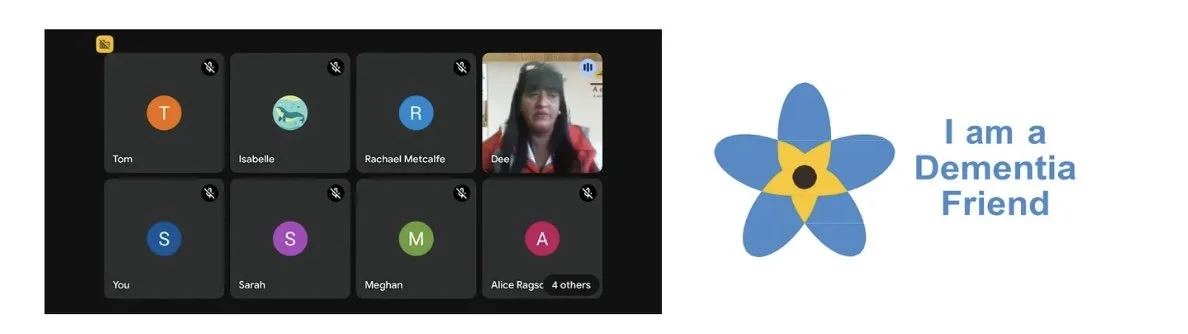
Most people hearing the word dementia often think it’s just another way to say Alzheimer’s. One in five people don’t know the difference between the two — a misunderstanding which leads to stigma, confusion and missed opportunities for directed support. A few days ago I attended a seminar by Dementia Friends and realised how widespread the misconception is. I also learned how we can support people living with dementia (more on this phrasing below), and how important it is we are able to distinguish between dementia and Alzheimer’s.
Dementia in itself is not a disease — it’s an umbrella term used to describe symptoms which affect thinking, communication and memory. There are many types of dementia, whereby Alzheimer’s disease is just one of them (the most common). Each type of dementia progresses differently and varies in causes and symptoms. Alzheimer’s can simply be described as a disease, whilst dementia is a syndrome caused by a disease. Alzheimer’s is the most common cause of dementia. What characterises Alzheimer’s is that it starts many years before symptoms actually show. It is a physical illness which damages the brain, and earlier signs include but are not limited to forgetfulness and confusion. Dee (the lady leading the talk) explained how this is referred to as mild cognitive impairment. Over time as more of the brain is damaged the symptoms begin to affect the patient’s everyday life, at which point they have Alzheimer’s-type dementia.
Other types of dementia include frontotemporal dementia (affecting behaviour and language), vascular dementia (resulting from reduced blood flwo to the brain) and Lewy body dementia (causing hallucinations, movement issues). One of the most important takeaways from the Dementia Friends talk was that dementia is progressive, worsening over time. To better understand this, the talk introduced the bookcase analogy, which I found particularly moving.
“Imagine your brain is a bookshelf. On it are books which represent your memories. The top shelves hold recent memories — what you did yesterday, what you had for breakfast. The bottom shelves are deeper, older memories — childhood holidays, your school days. As dementia progresses, it’s like the bookcase is shaking. The books on the top shelves fall off first. The older memories are more secure. That’s why someone might forget what they just ate, but vividly recall something from 50 years ago.” “A person Living With Dementia” I also learned about the importance of referring to people with dementia as “living with it”, as opposed to saying “suffering from it” or “demented”. “It is like the dementia is living with them” (Dee), not the other way around. This language reflects how dementia doesn’t erase identity, the person is still there and still themselves even if they are experiencing challenges. People living with dementia may forget names or faces, but they can always remember how we make them feel. Emotional memory often stays intact long after physical memories face. Which brings me onto the next valuable thing I learned: the importance of patience in supporting people living with dementia.
There are a few valuable ways we can support people living with dementia including:
Being patient and not rushing them
Keeping routines consistent
Use labels on doors or drawers to make navigation easier
Keep the environment clutter-free, simple and familiar
Listening to music from their younger years
Looking at old family photos
Talking about familiar or comforting topics
These moments are not about reminiscing, but about connecting, because connection matters more than recollection. While dementia is most common in older adults, it’s important to recognise that it can affect people at any age. Dee explained how in rare cases children as young are five or fifteen have been affected. This is why awareness and action efforts like Dementia Friends are so vital in breaking down stigma and promoting understanding to help better the care and support provided to people living with dementia.
I became a dementia friend in memory of my grandad, and you can too. Read more at: